The Analysis of Contemplation
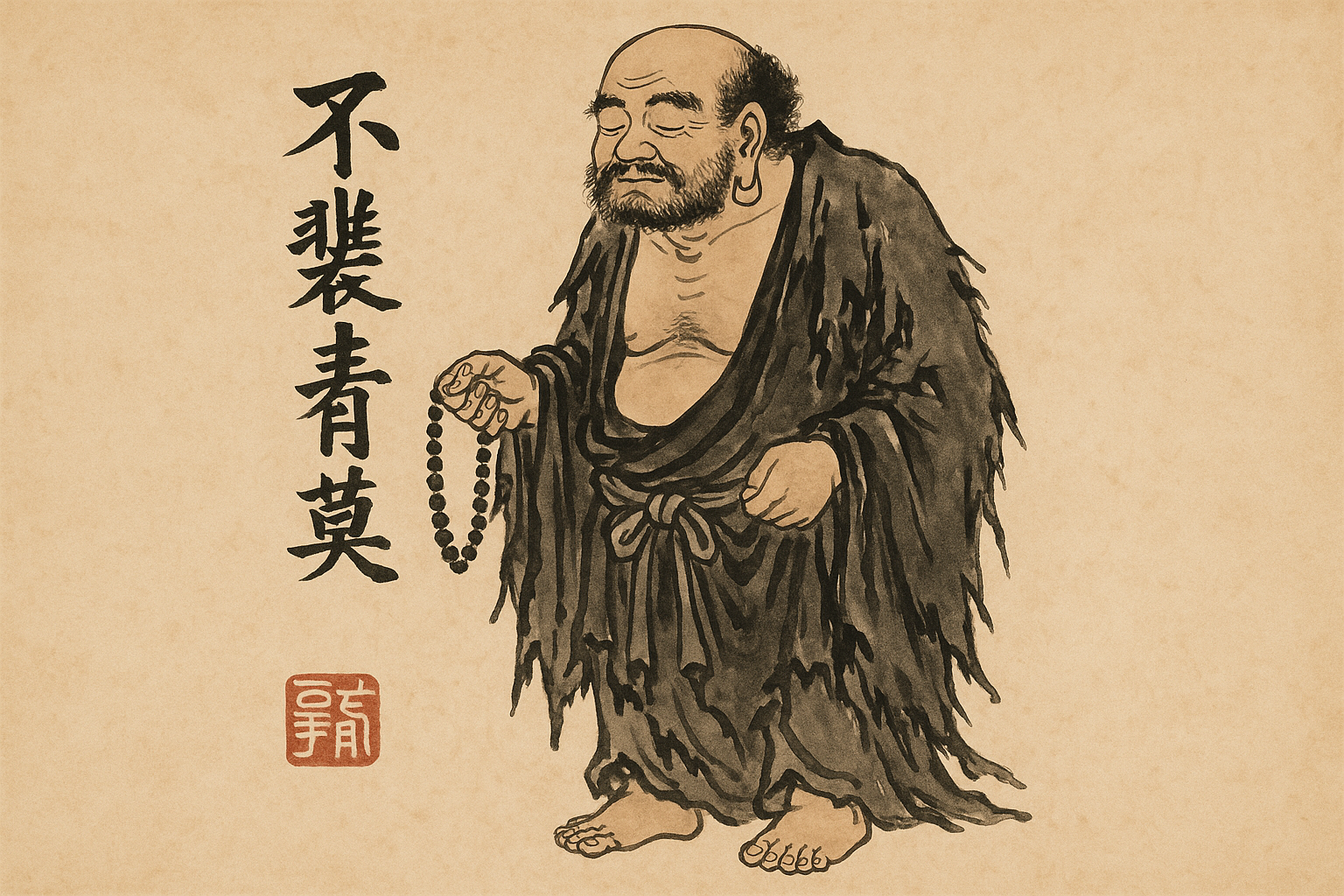
A wise spiritual genius practices contemplation by knowing its depth and its transformative power.
Contemplation is the inner stability of mind — the gathering of attention into one undisturbed stream. It is the stilling of the winds of thought, emotion, and distraction, allowing the mind to rest within itself without wavering.
It arises from mindfulness and effort.
Mindfulness keeps the chosen object from slipping away;
effort guards the continuity of attention and renews it without strain.
Where these two work together, deep concentration naturally forms.
Its result is happiness, not as pleasure, but as a profound immunity from disturbance. A concentrated mind becomes unassailable; the usual harms of the world cannot fracture its calm. This inner stability is itself a form of joy.
Its activity is mastery. Through contemplation, the spiritual genius gains command of the superknowledges and the refined stations of mind — the holy, the divine, and the sublime levels of consciousness. Contemplation is the power that allows the mind to shape experience, travel vast inner domains, and perceive reality with clarity unhindered by agitation.
It is called the foremost practice, for all virtues deepen through it.
A scattered mind cannot sustain generosity, morality, effort, or wisdom.
A stable mind strengthens them all.
It functions among contemplatives in three modes:
- contemplation with both consideration and analysis,
- contemplation without consideration yet still guided by subtle analysis,
- and contemplation without either, resting in pure, unified awareness.
Alternatively, it may appear as contemplation suffused with pleasure, with delight, or with equanimity, depending on the refinement of absorption.
Contemplation is the gateway through which the mind enters its own depths and discovers its unshakable core.
Comments (0)
Sign in to join the conversation
No comments yet. Be the first to share your thoughts!