The Analysis of Morality
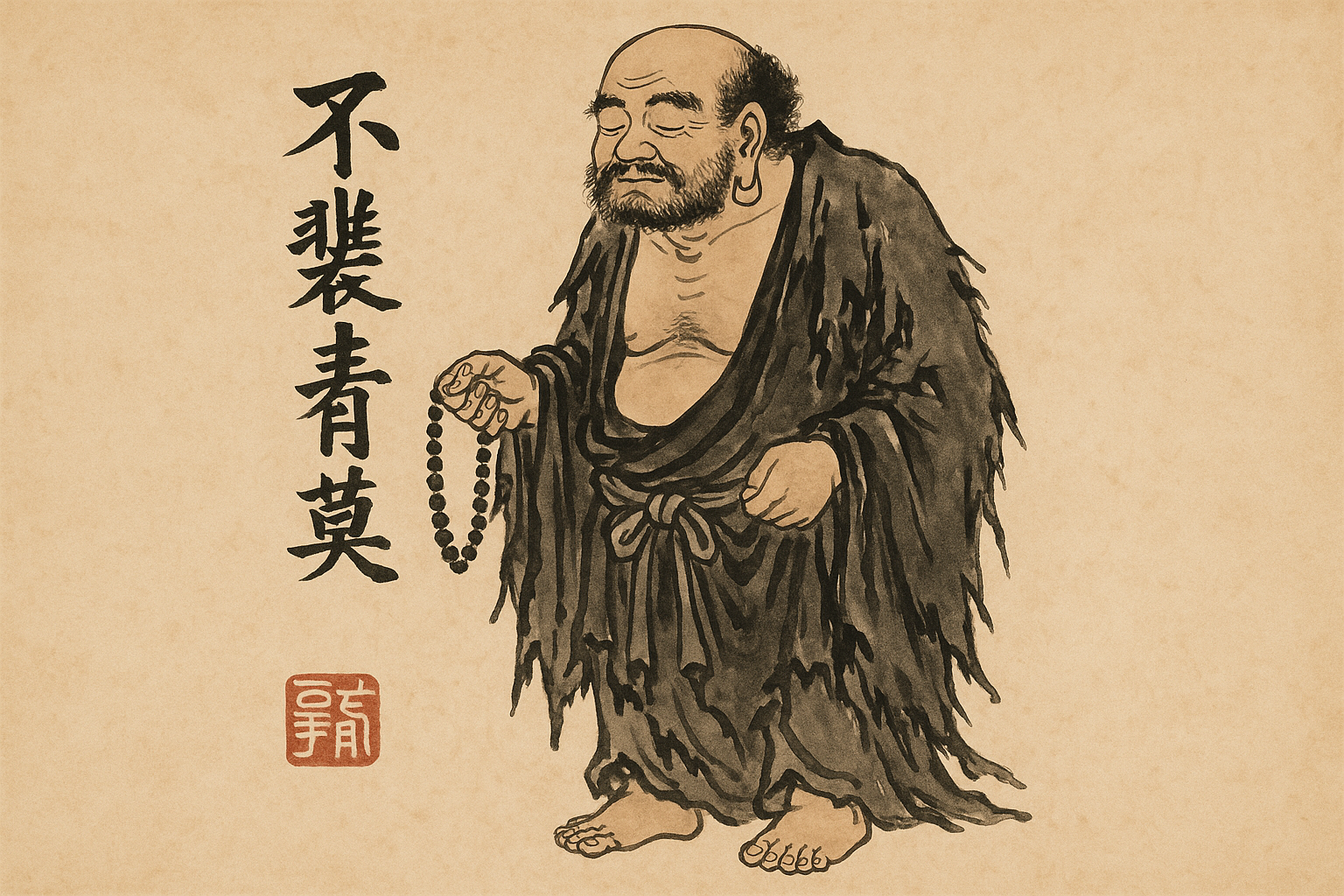
The wise spiritual genius practices morality with a clear understanding of its depth and structure.
Morality is built upon six elements, the traditional foundations of disciplined living: restraint of harmful actions, steadiness in vows, purity in intention, careful guarding of body and speech, remembrance of commitments, and the self-discipline that protects them. These elements form the architecture of a life that cannot be bent toward harm.
Its purpose is the realization of serenity. One embraces morality because the mind longs for freedom, stability, and the coolness of a life no longer vibrating with addiction. Ethical conduct prepares the ground where meditative peace can take root; without it, serenity does not hold.
Its result is good lives and enduring stability. Morality strengthens the conditions of future rebirth, creating wholesome environments, healthy bodies, supportive communities, and a mind steady enough to concentrate without inner turmoil. Morality brings stability because it frees the mind from regret, agitation, and the subtle dissonances that arise when one contradicts one’s own conscience.
Its activity has three dimensions: it is a basis, a peace, and a fearlessness.
- It serves as the basis of all virtue, the ground on which generosity, contemplation, and wisdom stand.
- It is a peace, cooling the burning of the addictions and quieting the turbulence of harmful impulses.
- And it is a fearlessness, for a mind restrained from harm creates no enemies, accumulates no guilt, and fears no consequence.
Its endowment is a great store of merit, since every moment of moral restraint protects, benefits, or softens some part of the world — and thus nourishes the path to awakening.
Its function is twofold:
morality may be conventional, arising from vows taken and held with awareness;
or it may be natural, arising spontaneously from contemplative purification or from the ground of uncontaminated realization.
In both forms, morality expresses itself through those who commit their lives to vows — whether taken formally or embodied instinctively — and through them it becomes a living force that stabilizes the world and supports the path of the spiritual genius.
Comments (0)
Sign in to join the conversation
No comments yet. Be the first to share your thoughts!