The Analysis of Wisdom
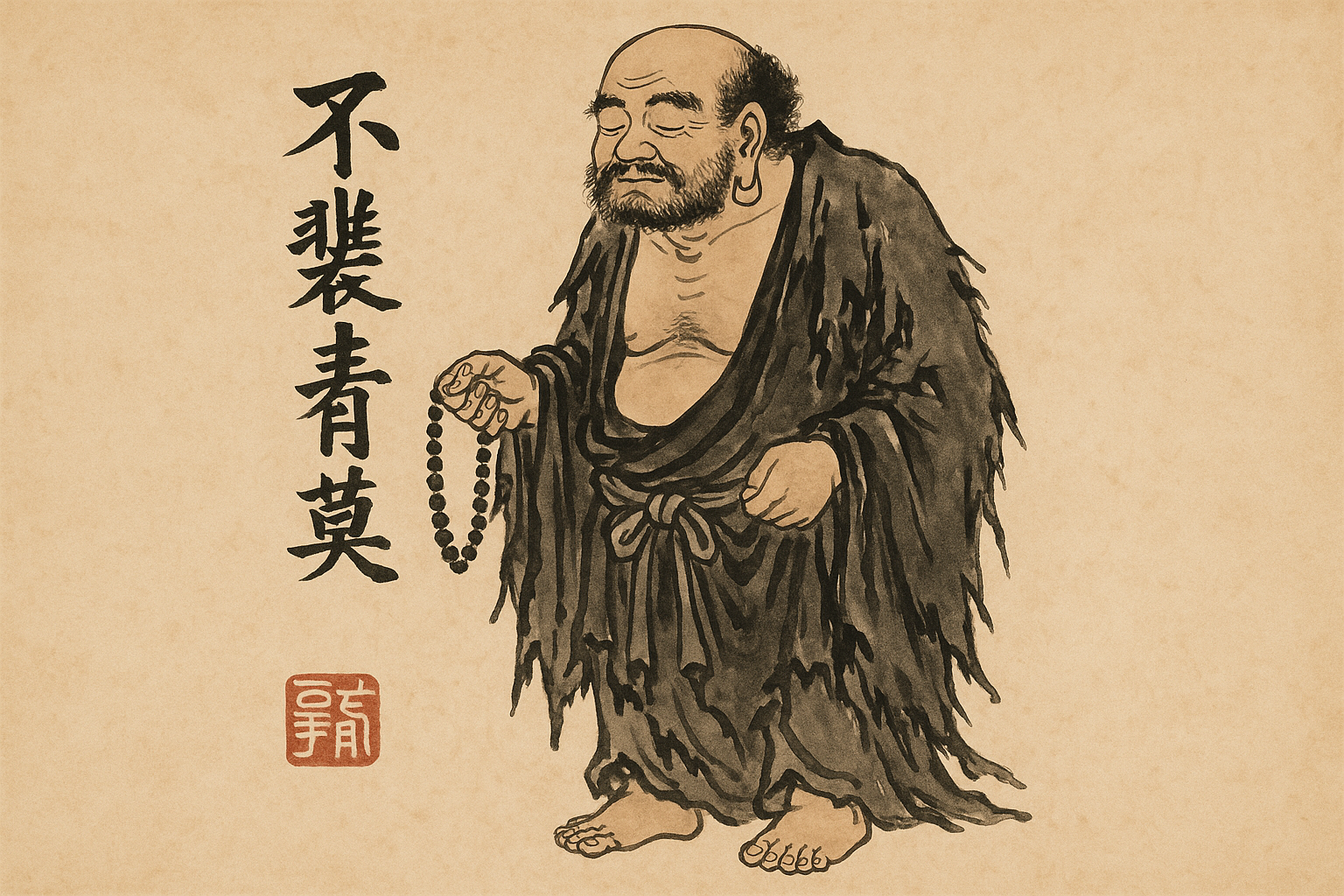
The wise spiritual genius practices wisdom by recognizing its true nature and the breadth of its function.
Wisdom is true discernment of objects — not ordinary cleverness, not the sorting of mundane duties, but the precise seeing of things as they actually are. It perceives what is not false: dependent arising, emptiness, the absence of intrinsic nature, and the luminous clarity of mind. This is its reality.
Its cause is meditative concentration.
Only a stable, unified mind can see without distortion.
When contemplation deepens, insight emerges naturally, like a clear reflection rising from still water.
Its result is liberation from addiction.
Discernment cuts the roots of the tendencies that bind beings:
first the coarse addictions of confusion,
then the subtler ones that accompany higher stages,
and finally even the most refined attachments that veil full awakening.
Wisdom is the blade that severs every chain.
Its activity is twofold: it enables the life of wisdom and the excellence of teaching.
One who sees reality directly lives without confusion, without contradiction, without fear.
And such a person becomes a teacher whose words clarify, uplift, and dissolve delusion in others.
Wisdom expresses itself naturally as guidance.
It is called supreme among all practices, for without wisdom the other transcendences cannot reach their highest expression.
Wisdom completes them; wisdom reveals their purpose.
Everything converges into insight.
It functions with three degrees of refinement:
- mundane wisdom, which discerns meaning within conceptual frameworks,
- slightly transcendent wisdom, which begins to see through concepts,
- greatly transcendent wisdom, which knows reality without any conceptual veil.
In this way, wisdom crowns the six transcendences:
the final opening of the mind into the real,
the light that clarifies all virtues,
and the seeing that ends all suffering.
Comments (0)
Sign in to join the conversation
No comments yet. Be the first to share your thoughts!