The Resistances to the Transcendences
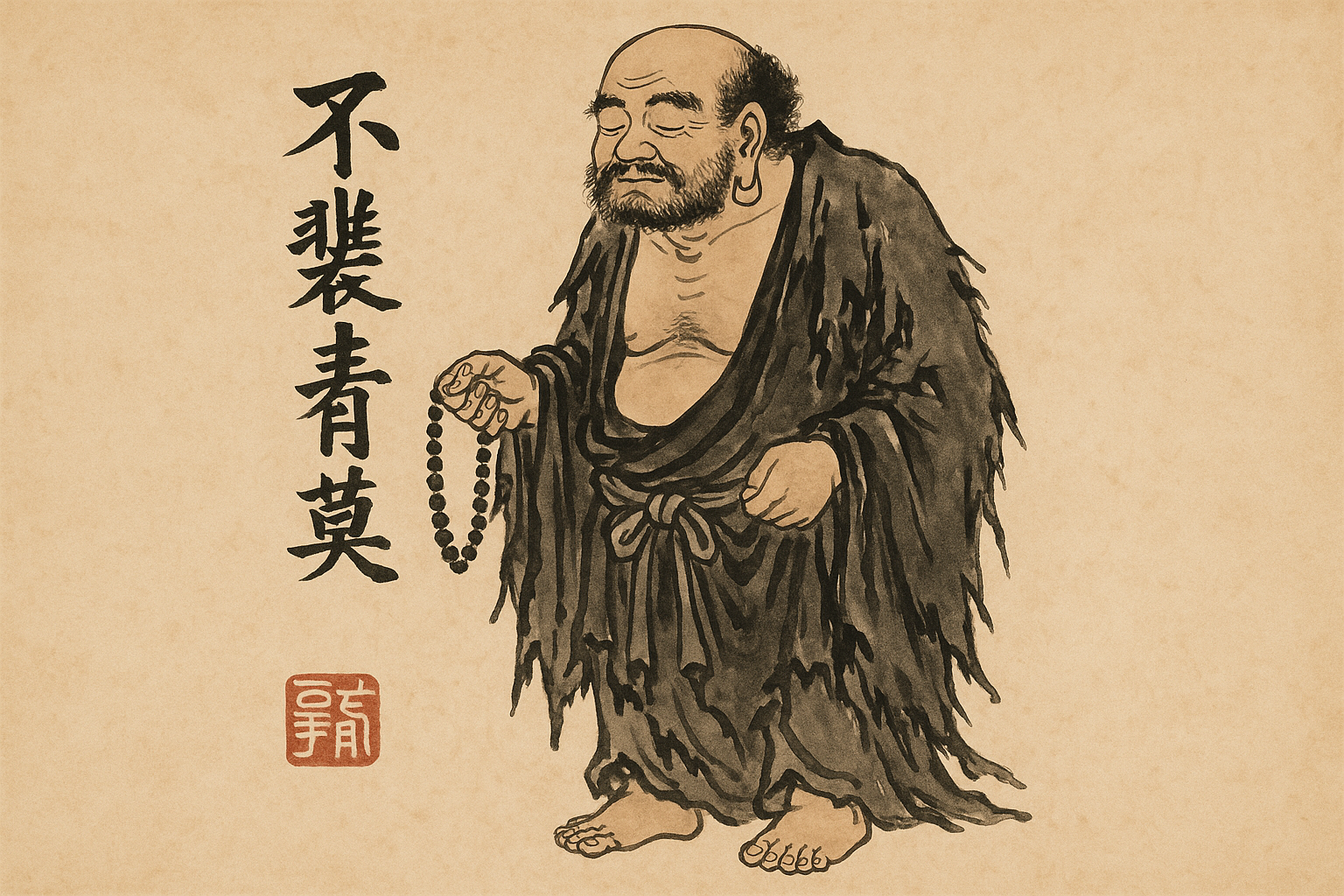
A spiritual genius recognizes that every transcendence has its own field of resistance — subtle forces that pull the mind back into contraction. What defines the transcendences is not only their excellence, but their freedom from these resistances.
The Resistances to Generosity
Generosity is said to be free of attachment seven times, because it must break through seven distinct forms of clinging:
- attachment to wealth,
- attachment to comfort,
- attachment to complacency,
- attachment to reward,
- attachment to spiritual progress as a possession,
- attachment born from old instinctual habits that resist giving,
- and attachment to distraction.
The last appears in two forms:
the distraction of being lured toward inferior vehicles,
and the distraction of discriminating giver, recipient, and gift —
the three spheres that obscure true giving.
Generosity becomes pure only when it abandons all seven.
The Resistances to Morality
Morality must likewise break seven resistances — not to wealth, but to the opposites of moral conduct:
the pull toward harmful behavior, the ease of violating restraint, the comfort of carelessness, the desire for praise, the wish for spiritual advantage, the inertia of old unwholesome habits, and the subtle distraction that arises when one sees oneself as a “moral actor” separate from the act itself.
True morality is the absence of all these attachments.
The Resistances to Tolerance
Tolerance must overcome the long-standing tendencies to anger, impatience, aversion to pain, resentment, pride, the instinct to retaliate, and the mistaken perception of a real attacker and a real self being attacked.
Only when all seven fall away does tolerance become unshakable.
The Resistances to Effort
Effort confronts the resistances of lethargy, dullness, discouragement, distraction, the desire for immediate gratification, attachment to worldly or spiritual accomplishments, and the old pattern of viewing oneself as a “striver” achieving something.
Effort becomes pure when it acts without resistance, without conceit, and without the sense of burden.
The Resistances to Contemplation
Contemplation must transcend attachment to agitation, attachment to dullness, attachment to comfort, attachment to subtle bliss or clarity, attachment to identity within the meditative states, attachment to progress, and the subtle grasping at the contemplative experience as something owned.
Only when all seven have dissolved does contemplation rest naturally.
The Resistances to Wisdom
Wisdom faces the resistances of conceptual rigidity, habitual views, attachment to philosophical positions, attachment to spiritual identity, the lingering obscurations of past habits, subtle distraction into subject-object duality, and the reification of insight itself.
Wisdom becomes true only when none of these bind the mind.
Across all six transcendences,
attachment is the only real resistance —
appearing in different forms depending on the virtue being cultivated.
When attachment dissolves,
each transcendence stands unobstructed,
radiant, and without remainder.
Comments (2)
Sign in to join the conversation

BTW Eselpee (SLP) =Djinn
The Resistances to Effort - this is my my current issue. Every time I "strive" to accomplish I am injured (moved last spring when I gave my house away). I have spent months shackled to my sofa kingdom by pain. Effort confronts the resistances of lethargy, dullness, discouragement, distraction, the desire for immediate gratification, attachment to worldly or spiritual accomplishments, and the old pattern of viewing oneself as a “striver” achieving something. -> Effort becomes pure when it acts without resistance, without conceit, and without the sense of burden